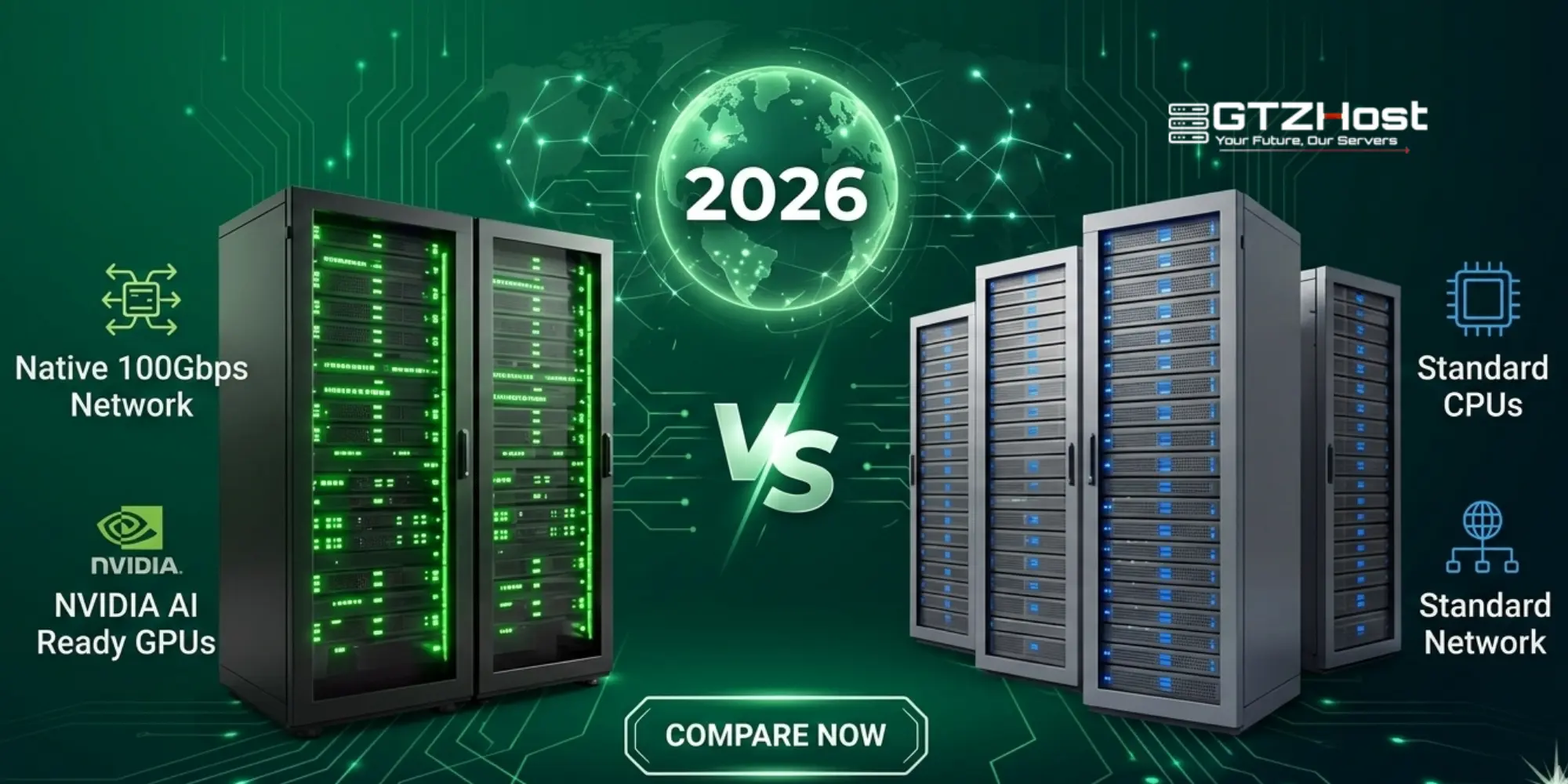
Every year, video gets heavier — 4K became the baseline, HDR and higher frame rates followed, and audiences now expect instant playback on everything from smart TVs to low-bandwidth mobile connections. Behind the scenes, this shift has quietly broken the old CPU-based streaming stack. That's why more streaming platforms, from niche OTT services to large-scale media companies, are moving their infrastructure to dedicated GPU servers.
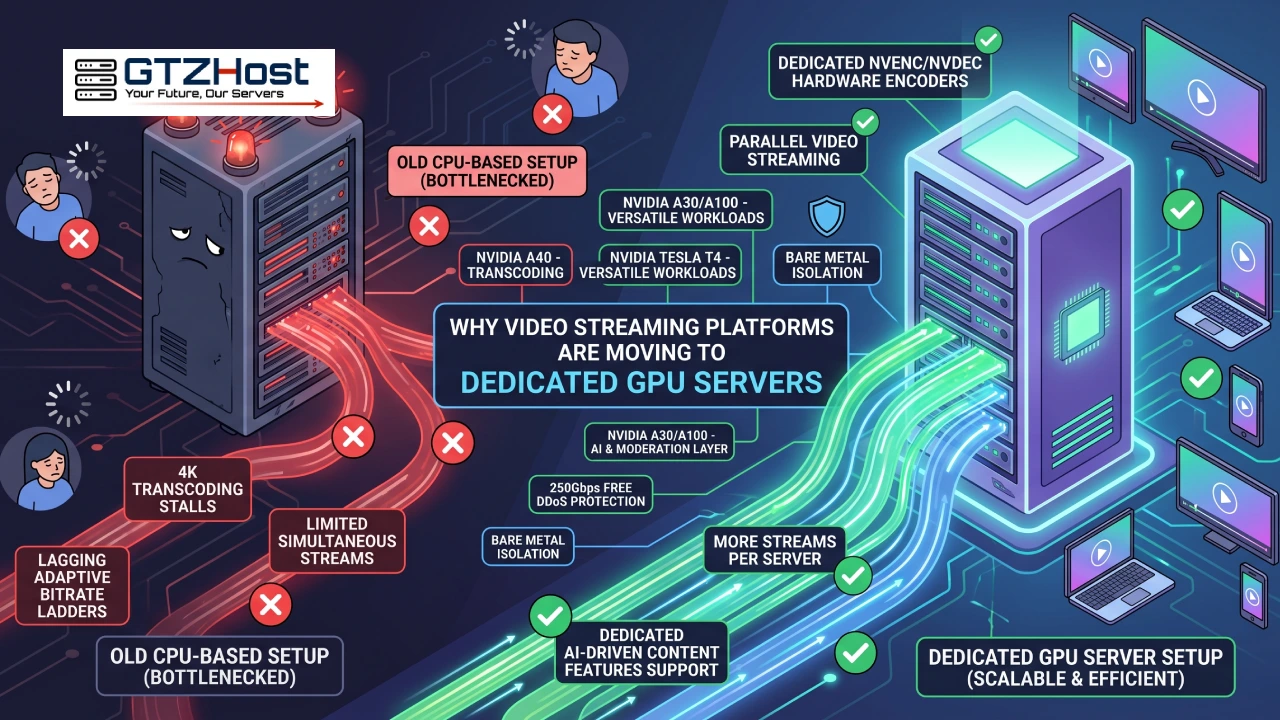
Quick answer: Streaming platforms are moving to GPU servers because CPU-based transcoding can't keep pace with the number of simultaneous encode/decode jobs modern streaming demands — multiple resolutions, multiple codecs, and real-time adaptive bitrate ladders, all at once. GPUs handle this through dedicated hardware encoders (NVENC/NVDEC), processing dozens of video streams in parallel while using a fraction of the power and rack space a CPU-only setup would need.
The CPU Transcoding Bottleneck
Traditional streaming pipelines relied on CPU-based software encoding (x264/x265). This works fine at small scale, but breaks down fast once a platform needs to:
Transcode a single source into multiple adaptive bitrate (ABR) renditions (1080p, 720p, 480p, etc.) simultaneously
Support multiple codecs (H.264, H.265/HEVC, AV1) for different device compatibility
Handle live streaming, where transcoding has to happen in real time with near-zero latency tolerance
Scale to hundreds or thousands of concurrent viewer sessions without frame drops
CPU cores process these tasks sequentially per thread, so scaling up means throwing more CPU cores — and more power, cooling, and rack space — at the problem. Past a certain point, this becomes both financially and physically unsustainable.
How GPU Servers Solve the Problem
Modern NVIDIA data center GPUs include dedicated hardware encode/decode engines (NVENC and NVDEC) that run independently of the GPU's main compute cores. This means a single GPU can:
Encode and decode dozens of video streams in parallel without touching CPU resources
Deliver multiple ABR renditions from one input stream far faster than software-only encoding
Maintain consistent quality at lower bitrates, reducing bandwidth and CDN delivery costs
Free up CPU cycles entirely for application logic, DRM, packaging, and API handling
This is the core reason the shift is happening: it isn't just about raw speed, it's about doing more with less hardware, which directly lowers cost-per-stream at scale.
The Right GPU for the Job: Not All GPUs Are Built for Streaming
One mistake platforms make is assuming any GPU works for streaming infrastructure. In reality, video transcoding, AI-driven content features, and rendering each call for a different GPU profile. GTZHost's GPU server lineup reflects this distinction clearly:
NVIDIA A40 — Purpose-Built for Video Transcoding
The A40 is positioned specifically for VDI, graphics rendering, and video transcoding workloads. It's designed to handle heavy encode/decode pipelines and rendering tasks with high efficiency, making it a strong fit for platforms running large-scale transcoding farms or combining transcoding with graphics-heavy rendering needs like virtual production or interactive media.
NVIDIA Tesla T4 — The Versatile Workhorse
The T4 is a compact, low-power, multi-purpose GPU well suited to mixed workloads. Its efficiency makes it a practical choice for platforms that need to run transcoding jobs alongside other computational tasks — for example, handling VDI or analytics workloads during business hours and shifting to transcoding-heavy jobs overnight, all on the same hardware footprint.
NVIDIA A30 / A100 — Powering the AI Layer of Streaming
Streaming platforms today aren't just moving video — they're running recommendation engines, automated content moderation, live captioning, and personalization models behind the scenes. GTZHost's A30 and A100 options are built for exactly this kind of high-performance compute and deep learning workload, letting platforms add AI-driven features without provisioning a separate compute cluster.
Bare Metal Matters for Streaming Workloads
GTZHost provisions these GPUs on dedicated bare metal servers rather than shared virtualized instances. For latency-sensitive workloads like live transcoding, this matters because:
There's no virtualization overhead competing for GPU cycles
Performance stays predictable under peak concurrent load — critical during live events or viewership spikes
Full resource control means encoding pipelines aren't affected by "noisy neighbor" tenants on shared infrastructure
GTZHost's double-width GPU-compatible server models — including the HP DL380 G10 and Dell R7525 platforms — are configured specifically to support GPUs like the A40 and A100, while T4-compatible builds like the Dell R740XD and HP DL385 G10 offer a lighter-footprint option for mid-scale transcoding needs.
Uptime and Security: Why It's Not Just About the GPU
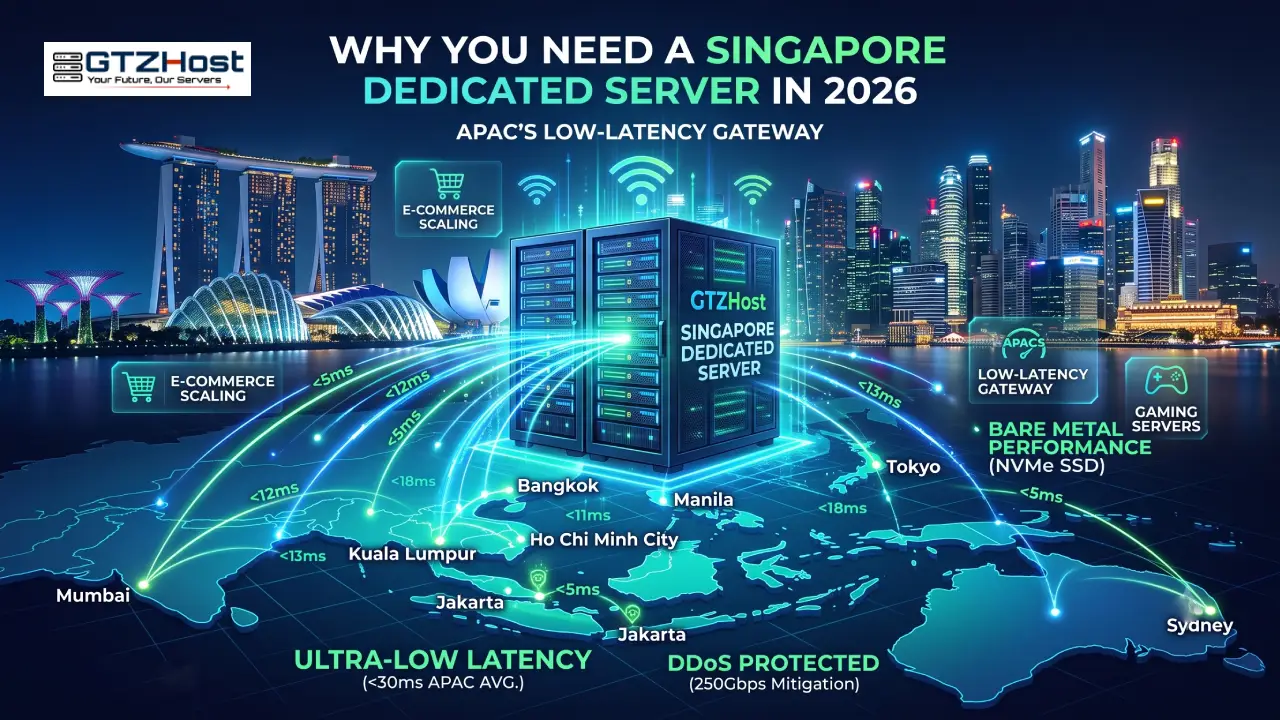
A transcoding pipeline is only as reliable as the network it runs on. Streaming platforms are especially exposed to volumetric DDoS attacks, since live events and viral content spikes make them predictable, high-value targets. GTZHost includes 250Gbps of free DDoS protection on its dedicated GPU servers, which matters for two reasons specific to streaming:
Live events can't tolerate downtime. A DDoS attack during a live broadcast doesn't just cost revenue — it costs viewer trust
Bundled protection avoids a second infrastructure bill. Many providers charge extra for meaningful DDoS mitigation; having it included keeps GPU transcoding economics predictable
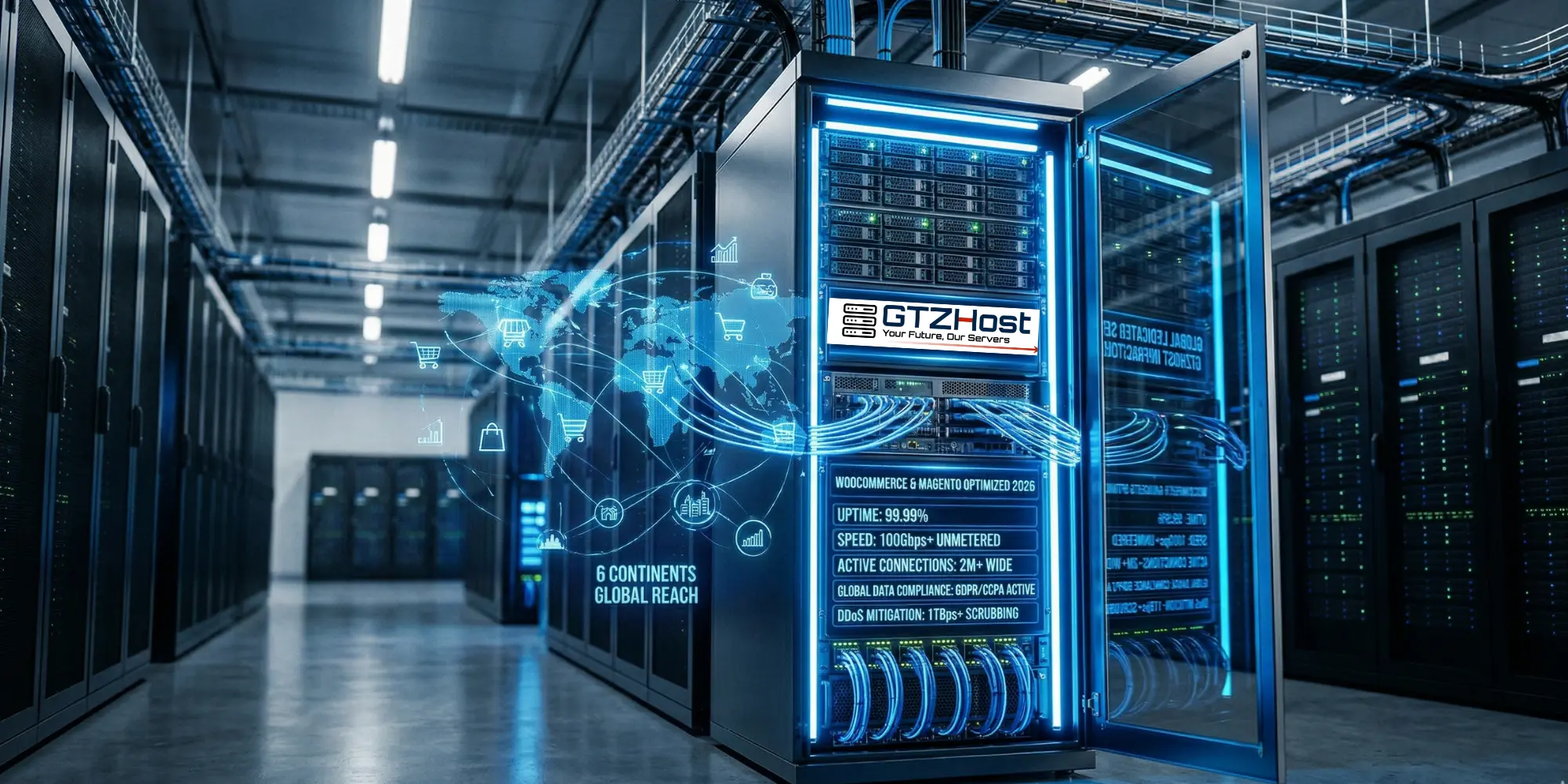
Combined with a global data center footprint spanning North America, Europe, Asia, and beyond, this also lets platforms place transcoding closer to their audience, reducing latency for regional live-streaming and VOD delivery.
Scaling Without Overcommitting
Because GTZHost's GPU servers are available across a large, actively maintained hardware inventory — with 700+ GPUs in deployment across its infrastructure — streaming platforms can scale up transcoding capacity for a product launch or live event without the lead time of sourcing hardware themselves. Combined with flexible monthly contracts rather than long-term hardware ownership, this gives growing platforms room to size infrastructure to actual viewership rather than worst-case projections.
Frequently Asked Questions
Why can't streaming platforms just add more CPU servers instead of GPUs?
They can, but it doesn't scale economically. CPU-based transcoding needs significantly more cores, power, and cooling to match what a single GPU's dedicated encode/decode engines handle, making CPU-only scaling far more expensive per stream at volume.
What's the difference between the NVIDIA A40 and Tesla T4 for streaming?
The A40 is built for heavier transcoding and rendering workloads and performs best in dedicated, high-throughput transcoding farms. The T4 is a lower-power, more versatile option suited to mixed workloads or platforms that don't need maximum single-GPU throughput.
Do I need an A100 GPU just to stream video?
No — A100/A30 GPUs are better suited to the AI-driven features around streaming (recommendations, moderation, captioning) rather than the transcoding pipeline itself, which is typically handled more cost-effectively by GPUs like the A40 or T4.
Is bare metal necessary for video transcoding, or does virtualized GPU work?
Virtualized GPU instances can work for smaller workloads, but bare metal removes virtualization overhead entirely, which matters most during high-concurrency live events where predictable performance is critical.
Does GTZHost offer DDoS protection on GPU servers by default?
Yes. GTZHost includes 250Gbps of free DDoS protection on its dedicated GPU servers, which is particularly relevant for streaming platforms given their exposure during live events and viral traffic spikes.
Final Thoughts
The move from CPU to GPU-based infrastructure isn't a trend — it's a response to video streaming's actual technical demands: more resolutions, more codecs, more concurrent viewers, and increasingly, AI features layered on top of the video pipeline itself. Matching the right GPU (A40 or T4 for transcoding, A30/A100 for AI workloads) to bare metal infrastructure with strong network protection gives streaming platforms a foundation that scales with demand instead of buckling under it.
Ready to move your streaming infrastructure to dedicated GPU hardware? Explore GTZHost's GPU Server options or contact our team to configure a transcoding setup built around your exact stream volume and codec requirements.